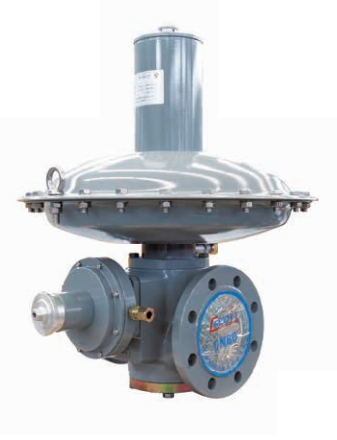
CNG Pressure Regulator
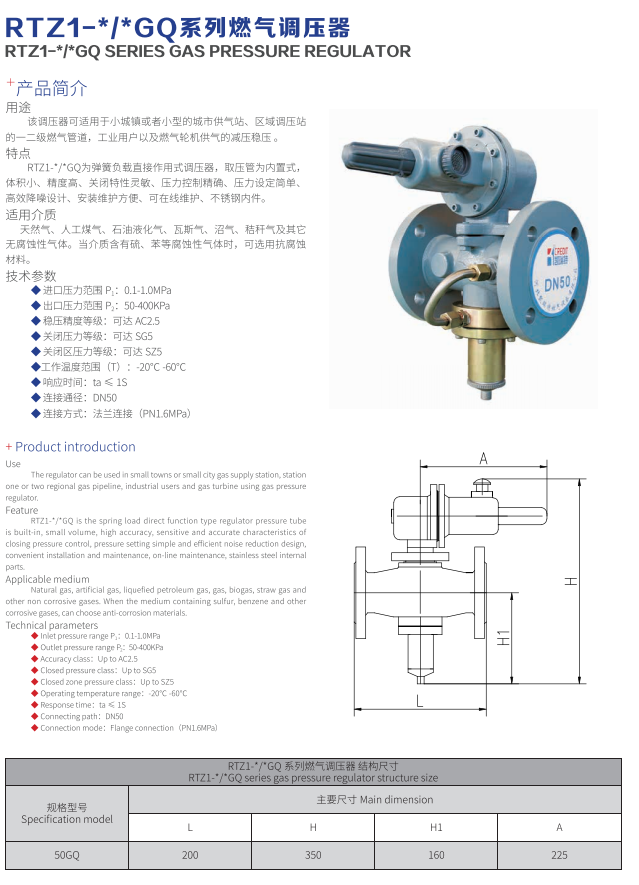
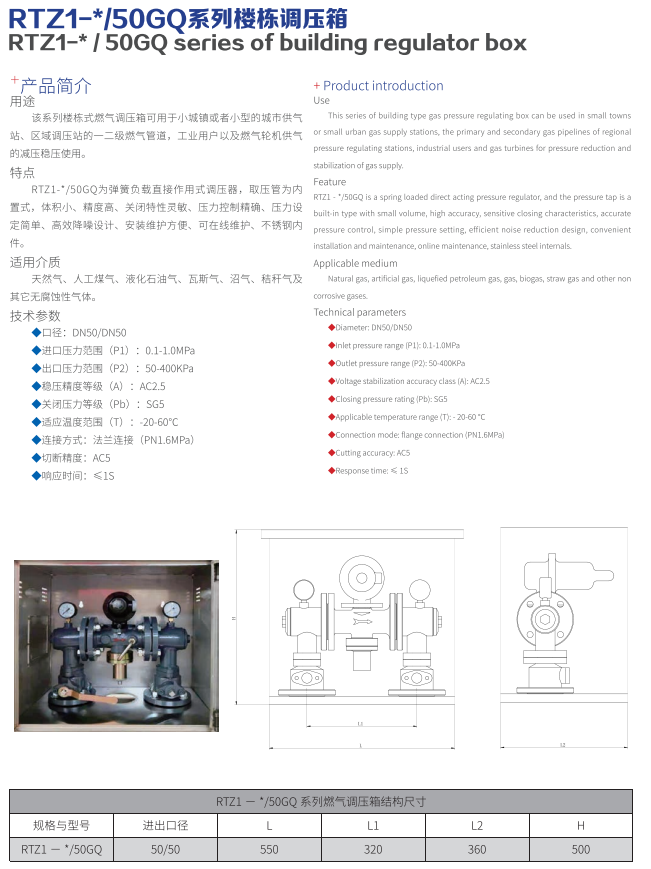
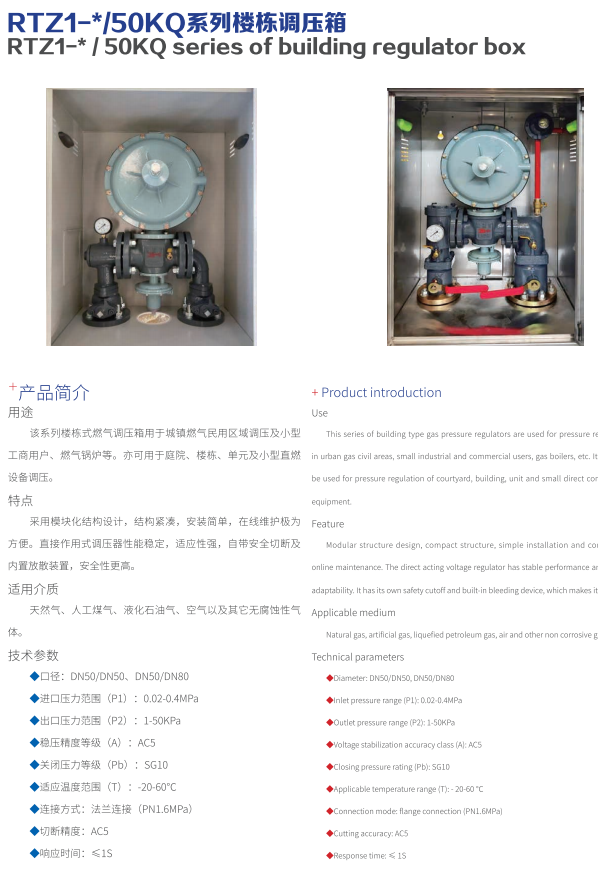
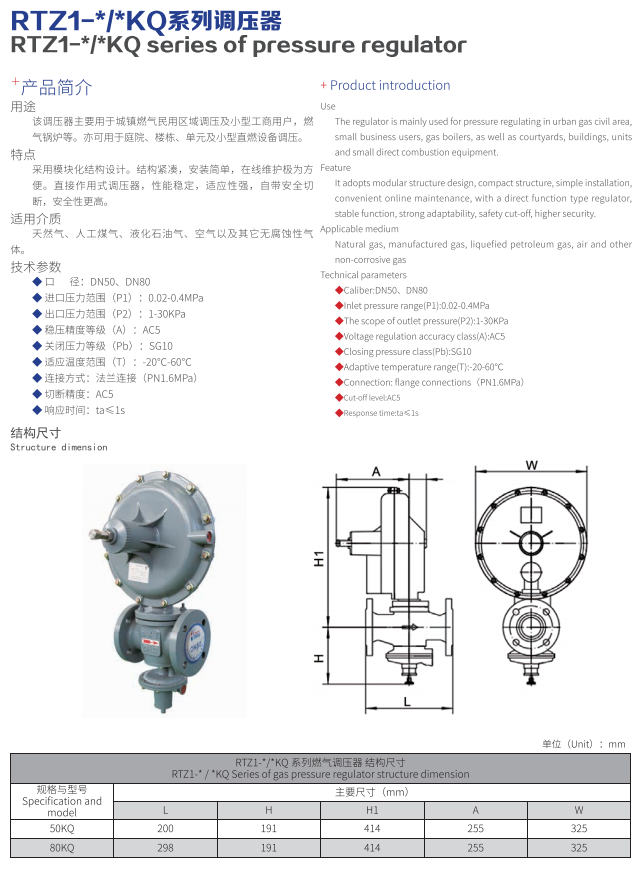
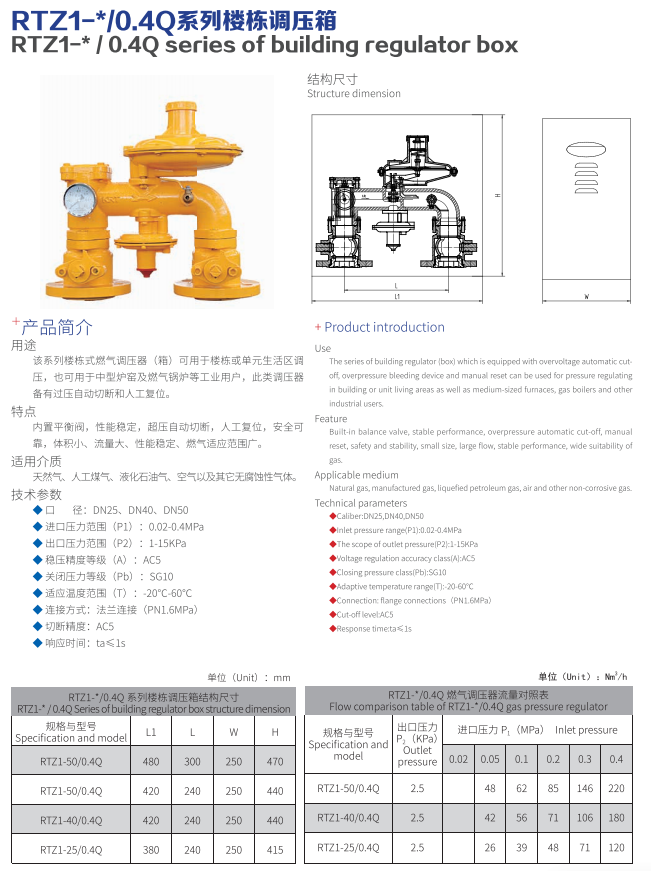
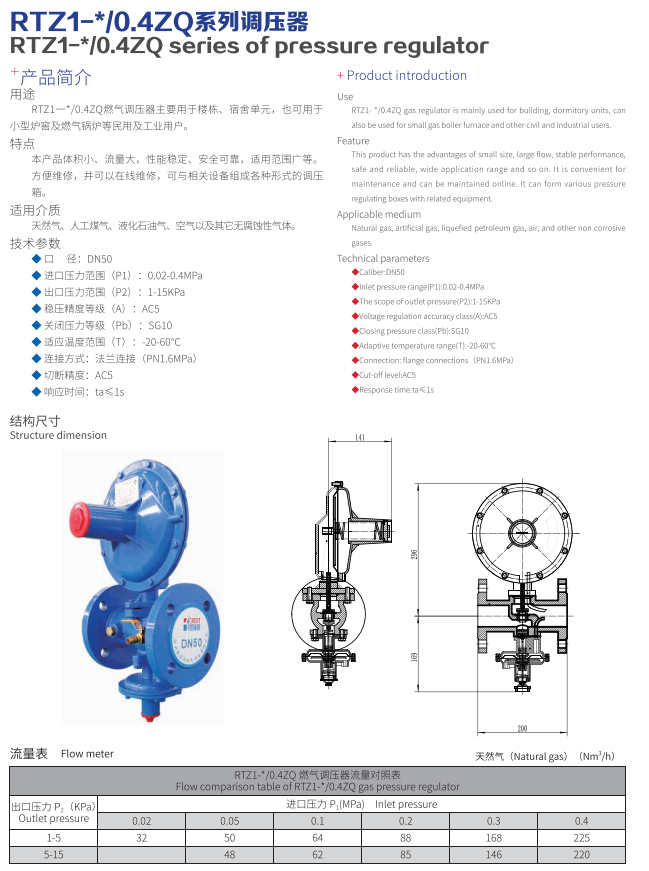
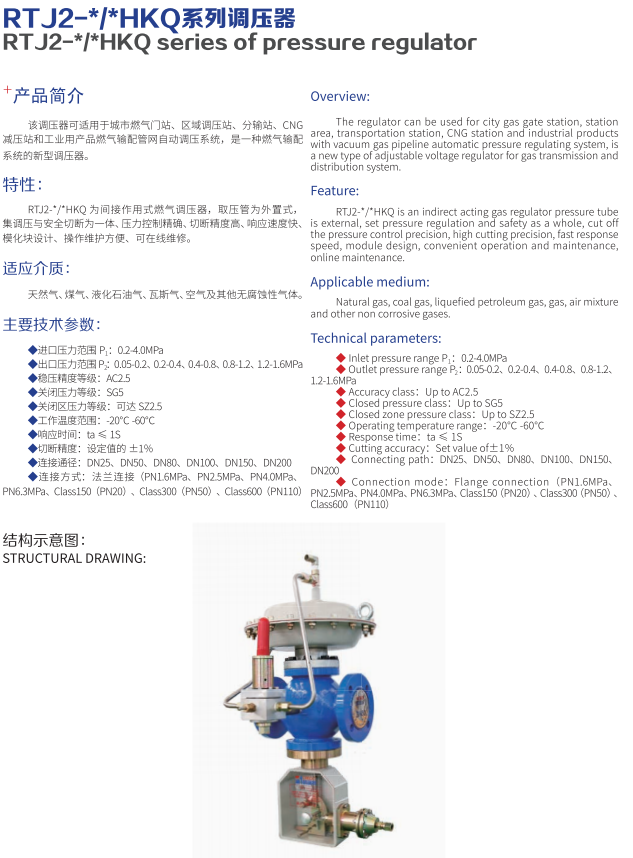
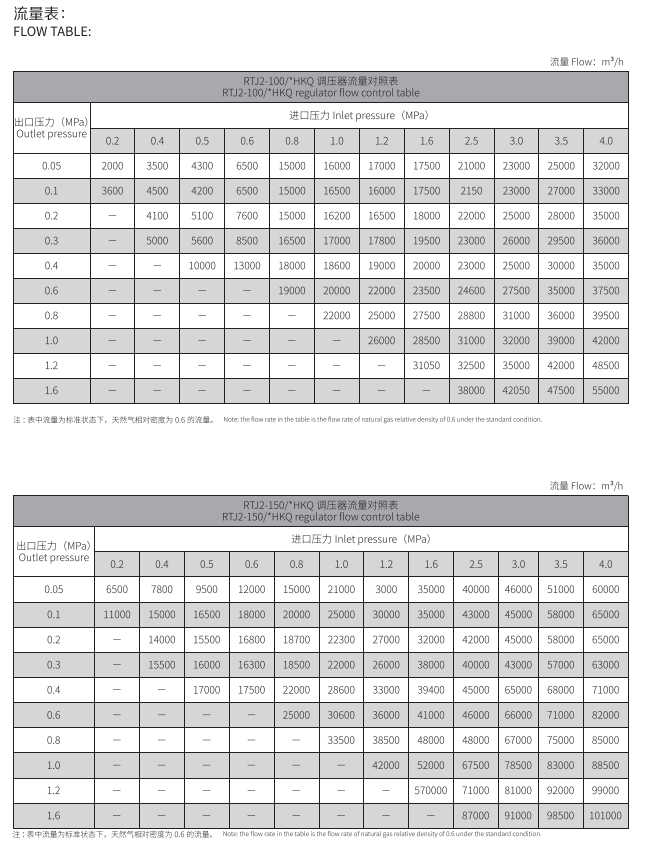
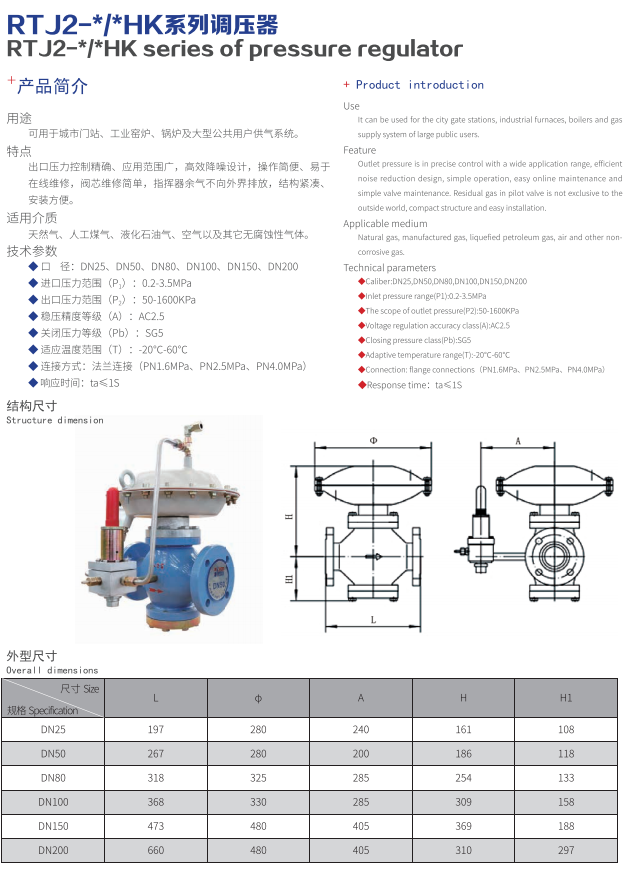
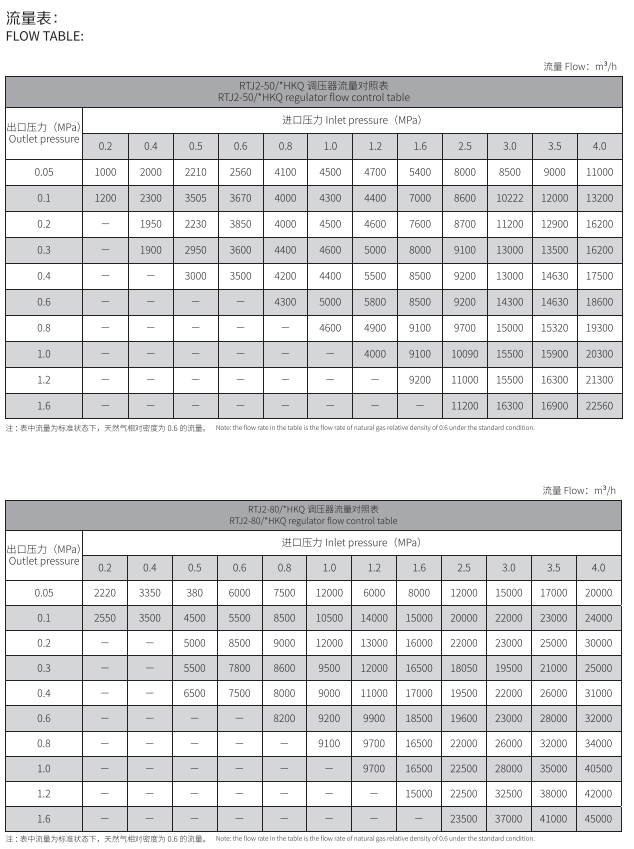
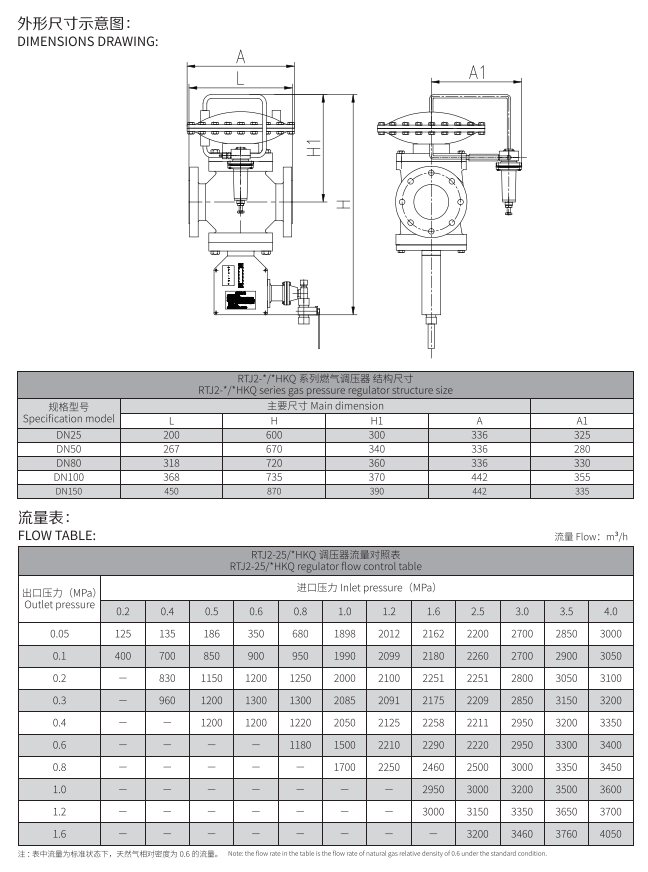
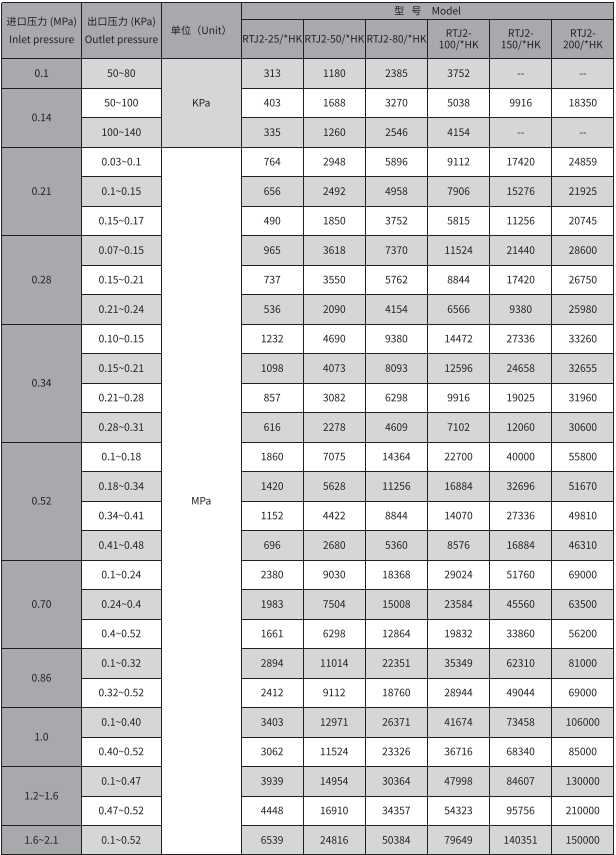
The CNG pressure regulator is the core control device that precisely and safely reduces high-pressure natural gas (0.1-25 MPa) to the required pressure for the downstream pipeline network (e.g., 0.1-0.4 MPa), ensuring the entire system operates stably and efficiently.
Core Function & Working Principle
- Primary Goal: Convert the highly unstable high pressure at the inlet into a continuously stable low pressure at the outlet.
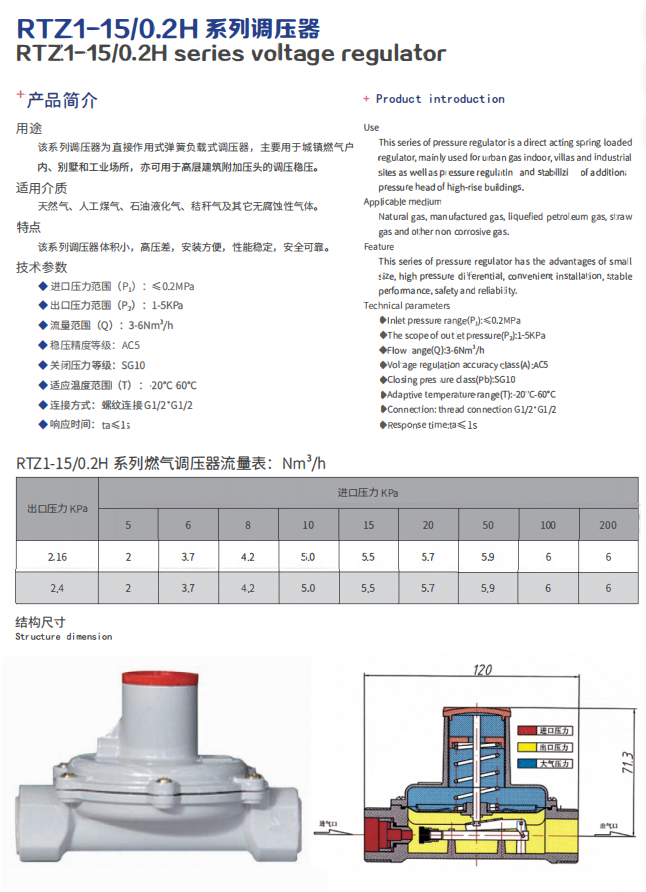
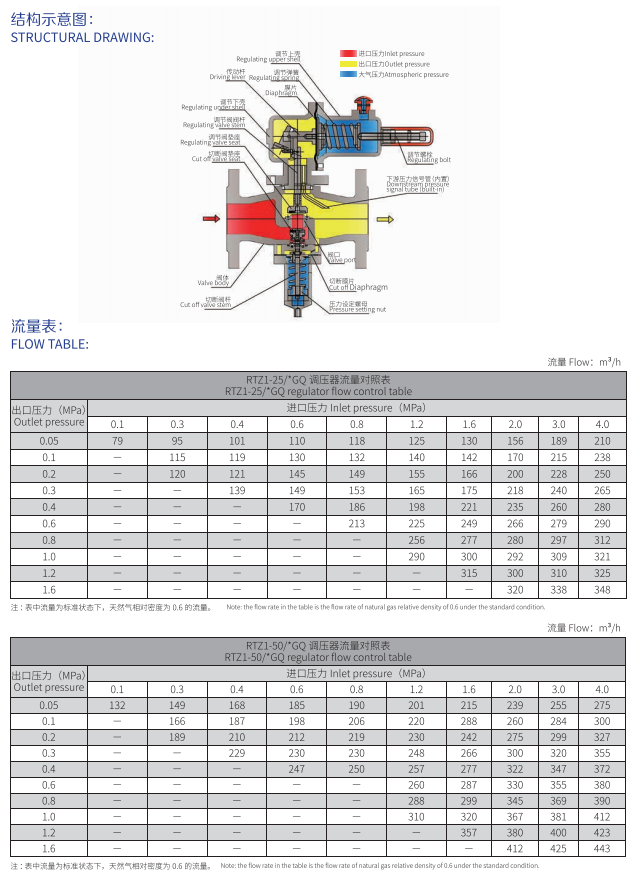
- Working Principle: The core is a valve controlled by a "valve disc" and a "spring."
1. Pressure Sensing: Downstream pressure acts on a "diaphragm."
2. Automatic Regulation: When downstream pressure is too high, it pushes the diaphragm to compress the spring, closing the valve slightly to reduce gas flow and lower the pressure. Conversely, when pressure is too low, the spring pushes the diaphragm back, opening the valve to increase flow and raise pressure.
3. Dynamic Balance: This process continues until a dynamic balance is achieved between the spring force and the downstream pressure, stabilizing the output pressure.
Role in a CNG Pressure Regulating Station
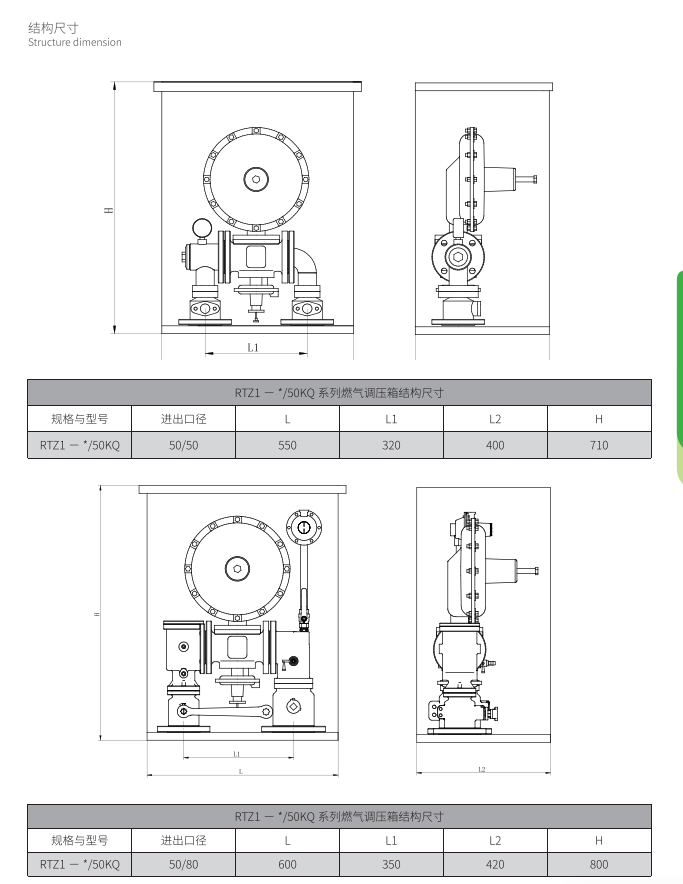
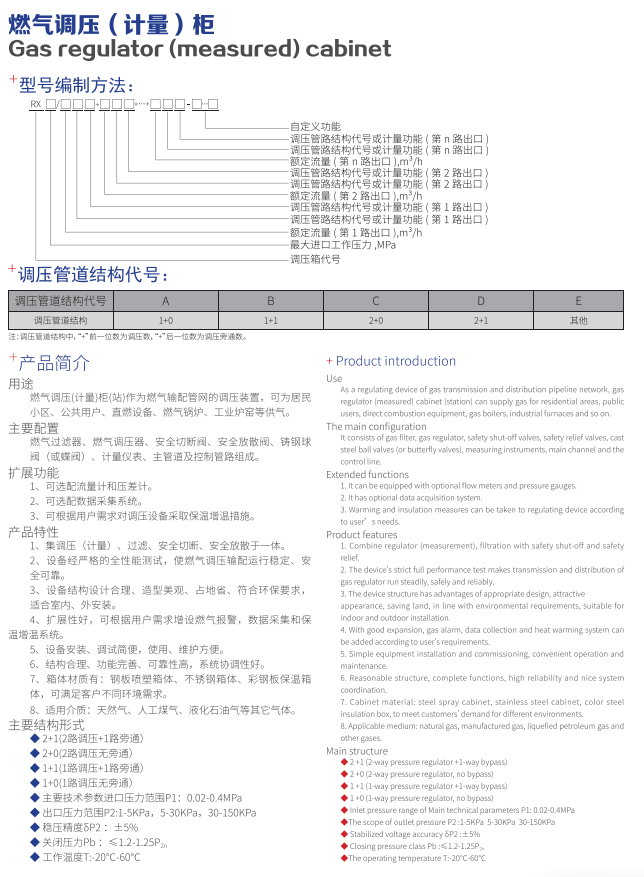
In a CNG station, regulators typically work in series (two or three stages) rather than alone, offering significant advantages:
- Two-Stage Regulation:
- 1st Stage: Reduces pressure from 0.1-25 MPa to an intermediate value (e.g., 1.0-4.0 MPa).
- 2nd Stage: Further reduces the intermediate pressure to the final low pressure required by end-users (e.g., 0.1-0.4 MPa).
- Three-Stage Regulation:
- Adds a third, more precise stage to the two-stage process, used for applications with large flow fluctuations or extremely high pressure stability requirements.
Advantages of Staged Regulation:
- Increased Stability: Prevents severe outlet pressure fluctuations caused by excessive pressure difference in a single stage.
- Enhanced Safety: Reduces the workload and risk for each stage.
- Equipment Protection: Extends the service life of the regulators.
Key Technical Parameters
- Set Pressure: The target pressure to be maintained downstream.
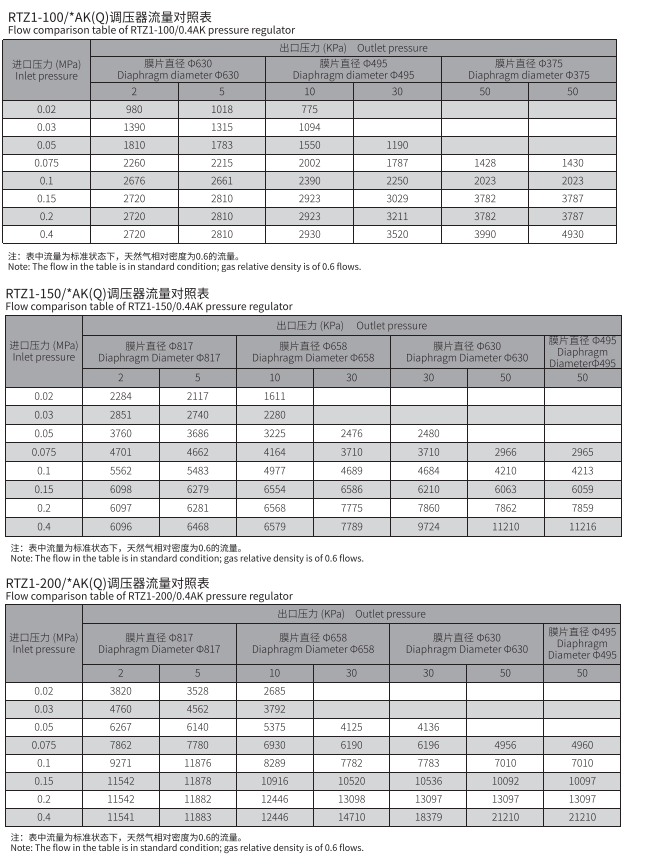
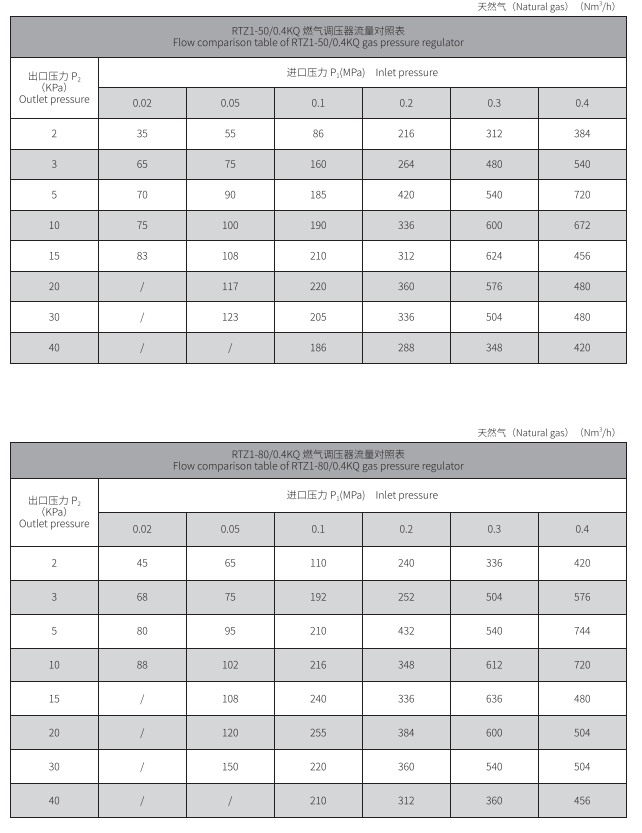
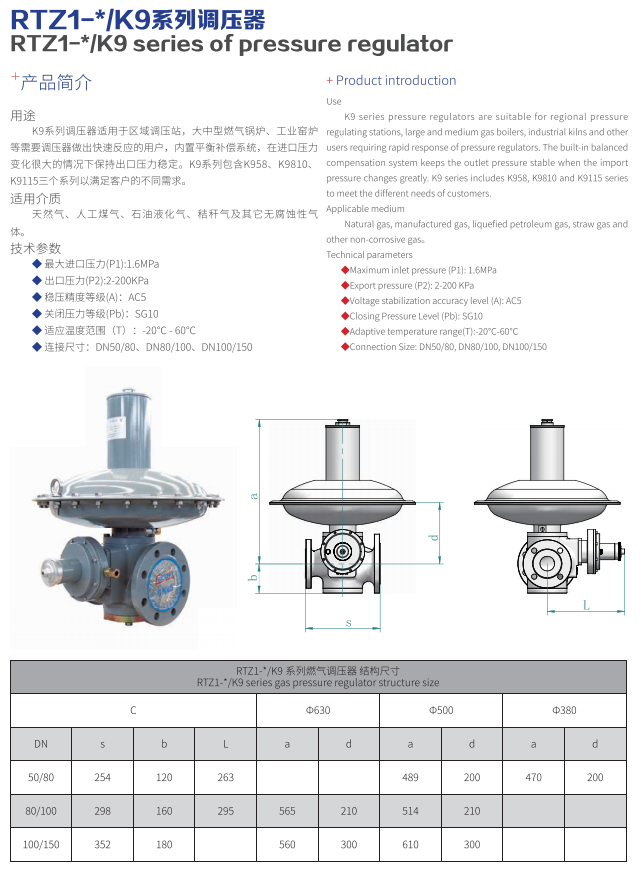
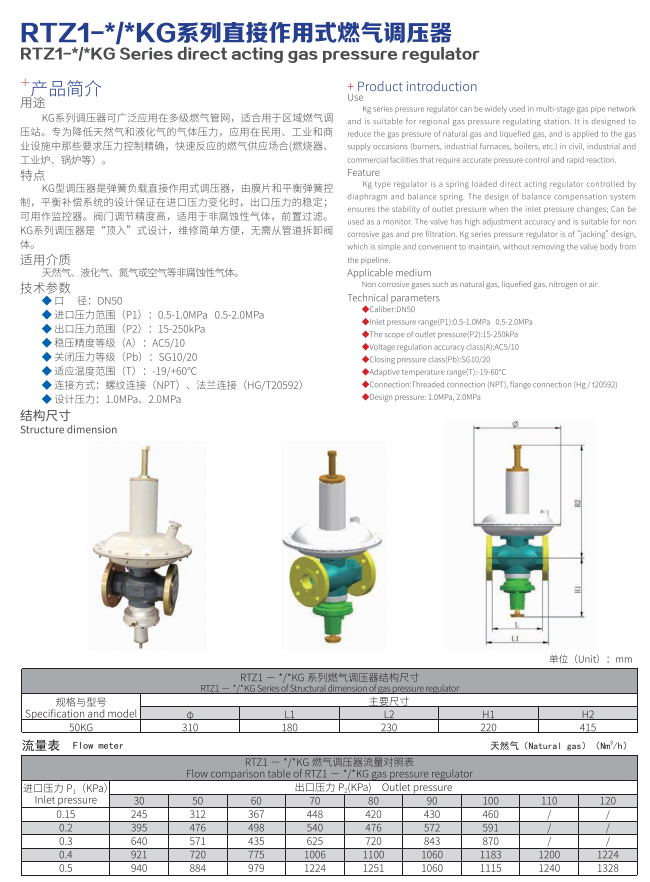
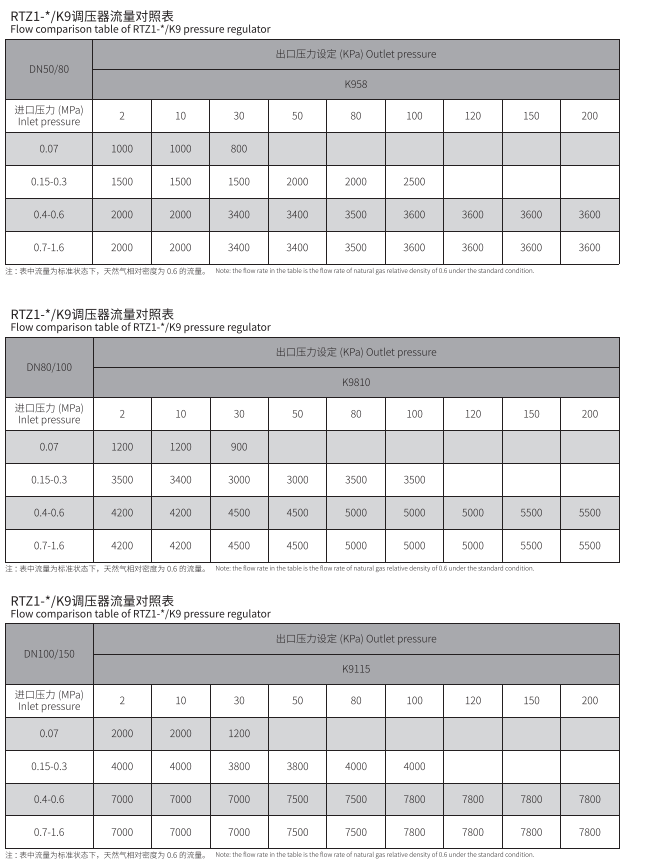
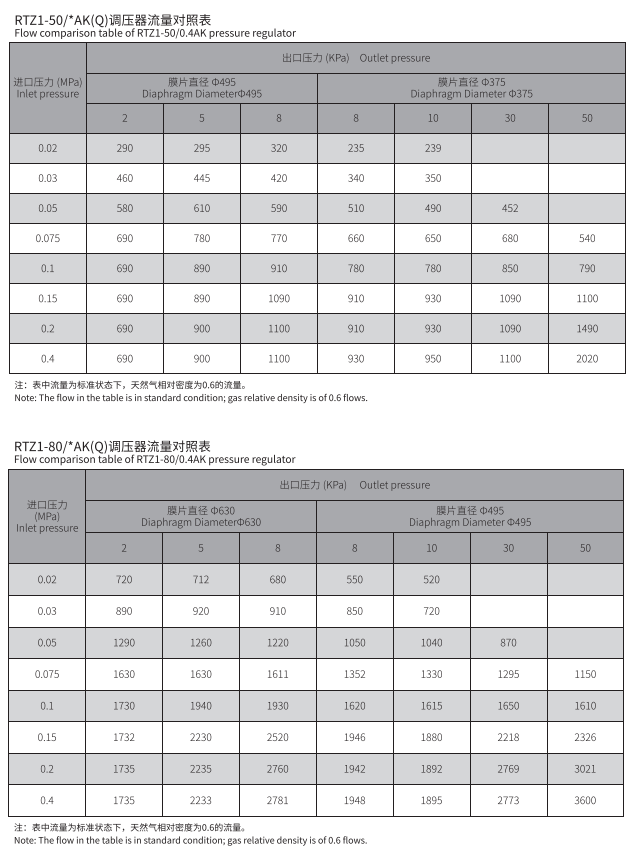
- Inlet/Outlet Pressure: The range of pressures the regulator can handle.
- Flow Coefficient (Cv): An indicator of the regulator's gas flow capacity.
- Accuracy: The degree of deviation between the actual output pressure and the set pressure.
- Material: Corrosion-resistant materials like stainless steel are commonly used to ensure safety and longevity.
Selection & Maintenance Tips
- Selection: Must consider the medium type, flow rate, pressure range, and accuracy requirements.
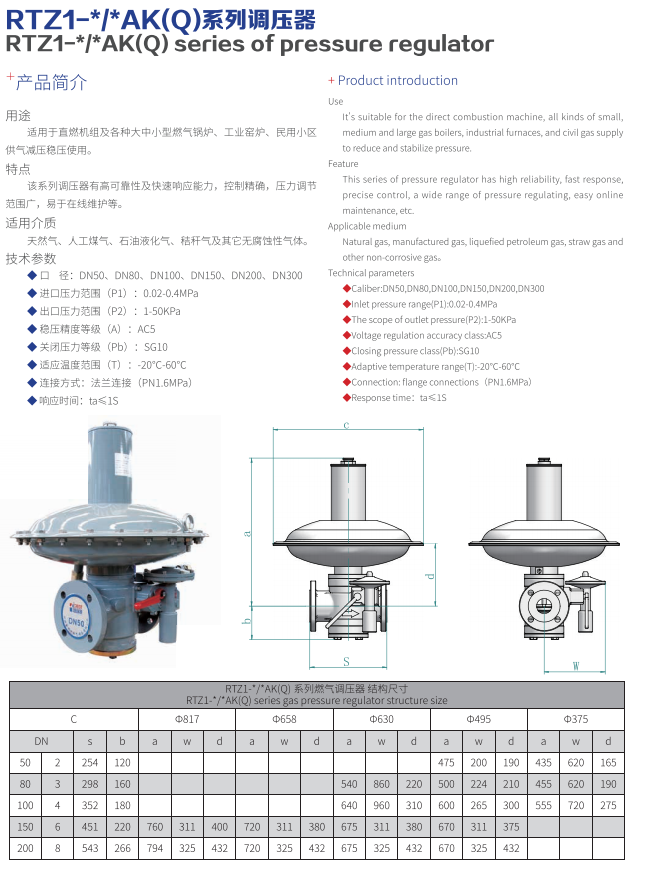
- Installation: Pay attention to the flow direction markings and install in an easily accessible location for maintenance.
- Maintenance: Regularly check for leaks, vibrations, or abnormal noises, and perform cleaning and calibration as needed.